

Leaking, Pain, or Pressure?
Let’s Talk About Your Pelvic Floor
Pelvic pain. Bladder leaks. Pain during intimacy. Pressure you can’t explain. Do any of these symptoms sound familiar? Although they can be difficult to talk about, they are surprisingly common. In many cases, they stem from issues with your pelvic floor.
Because the pelvic floor consists of internal muscles, they often get overlooked. But pelvic floor physical therapy at Beyond Limits Physical Therapy can play a big role in helping reduce pain and other uncomfortable symptoms so you can move with confidence once again.
Pelvic Floor Therapy 101:
Answers to Your Most Common Questions
1. What exactly is the pelvic floor?
Your pelvic floor is a group of muscles and connective tissue that sit at the bottom of your pelvis. It serves as a supportive hammock for your bladder, bowels, and reproductive organs (in women) and serves several key purposes, such as:
- Helping control urination and bowel movements
- Contributing to sexual function
- Assisting with core stability and breathing
When pelvic floor muscles are too weak, too tight, uncoordinated, or painful, a range of symptoms can develop, including incontinence, pelvic organ prolapse, and painful intercourse. Pelvic floor physical therapy focuses on addressing dysfunction in the pelvic floor to help resolve these symptoms.
2. What can I expect during my first appointment?
Your first visit will consist of a detailed conversation about your symptoms, medical history, and goals. We’ll perform an external physical assessment of posture, breathing, core strength, and function of the hips, lower back, and external pelvic area.
This assessment helps us pinpoint the exact course of your symptoms so we can create a customized care plan.
3. How does pelvic floor therapy actually help?
Treatment depends on your specific needs. Here are some of the most common concerns and how we help address them:
Pelvic Floor Muscles Are Too Weak
We’ll focus on improving pelvic strength and coordination. This might include:
- Targeted pelvic floor muscle training
- Biofeedback to improve muscle awareness
- Functional strengthening that integrates pelvic control with daily movement
Pelvic Floor Muscles Are Too Tight or Painful
Chronic pelvic pain is often linked to overactive or guarded muscles. In these cases, strengthening alone isn’t the answer. You’ll also need to learn how to relax these muscles. For treatment, we might suggest:
- Manual therapy to release tight tissues
- Relaxation training
- Breathing retraining to reduce pelvic tension
- Gentle stretching of the surrounding muscles
Pelvic Muscle Coordination Is Impaired
Sometimes the pelvic floor muscles contract at the wrong time, leading to constipation, difficulty emptying the bladder, or pain during bowel movements. In these cases, we might recommend:
- Biofeedback to retrain timing
- Bowel and bladder habit education
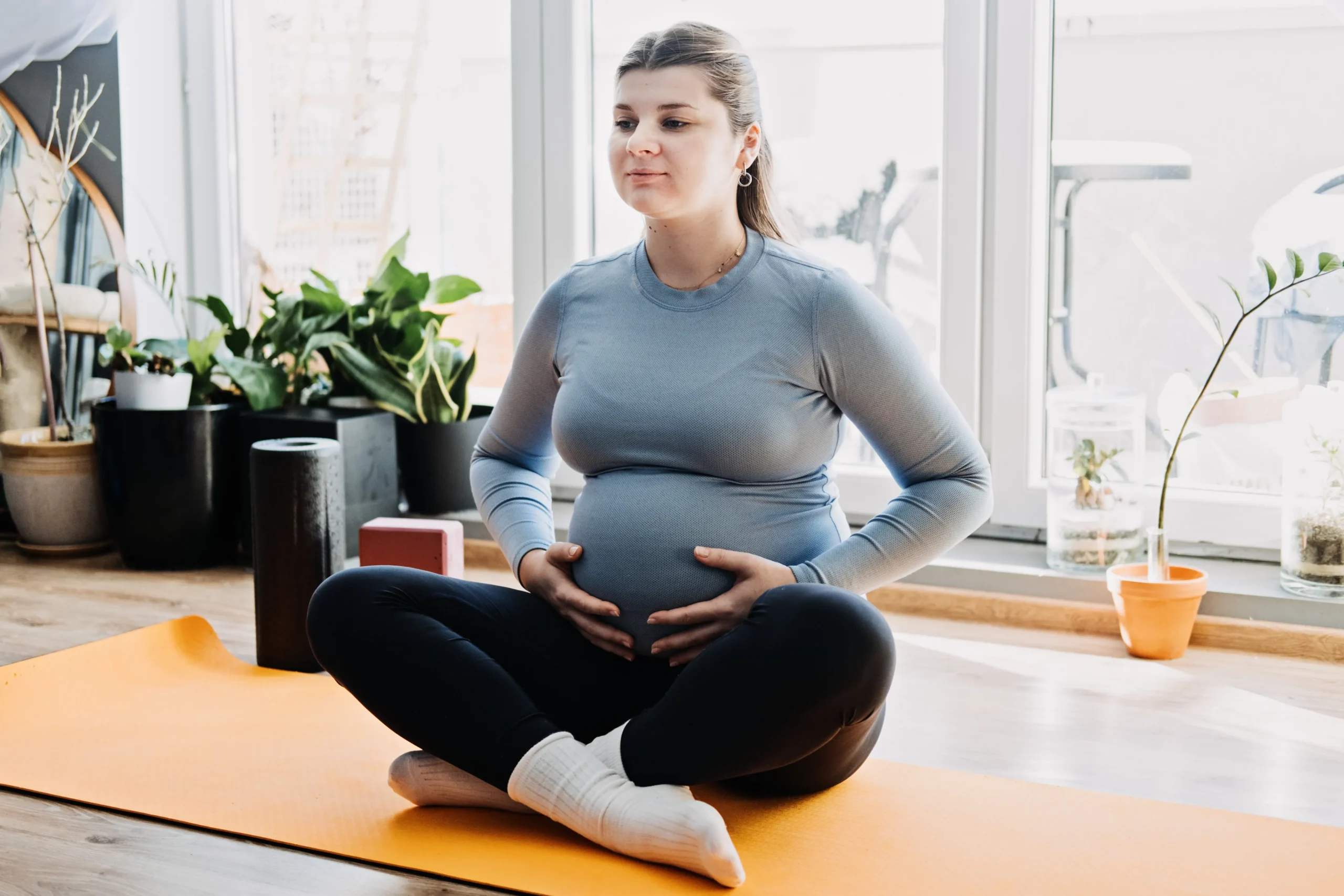
4. Can pelvic floor therapy help with pregnancy-related concerns?
Absolutely! Pregnancy places significant strain on the pelvic floor due to hormonal changes, increased abdominal pressure, and the weight of a growing baby. After delivery, those muscles often need guided rehabilitation to address common postpartum symptoms.
How It Helps During Pregnancy
- Reduces pelvic pain and low back pain
- Improves bladder control
- Prepares muscles for delivery
How It Helps After Delivery
- Addresses urinary leakage, pain with intimacy, and other common postpartum concerns
- Reduces pelvic heaviness or prolapse symptoms
- Addresses and prevents abdominal separation (diastasis recti)
4. Is pelvic floor therapy only for women?
No. Everyone has a pelvic floor, and men can absolutely benefit from pelvic floor therapy as well. It can be helpful for urinary leakage, sexual dysfunction, and post-prostate surgery recovery.
5. What makes pelvic floor therapy different from general exercise?
Pelvic floor dysfunction often involves breathing mechanics, core coordination, and lifestyle factors. Our pelvic floor physical therapists take a whole-body approach to addressing pelvic concerns to ensure we’re tackling the problem at its root.

Signs You May Benefit From Pelvic Floor Physical Therapy
Pelvic floor issues are more common than many people realize, yet they’re often misunderstood or overlooked. Because symptoms can feel personal or even embarrassing, many people simply try to manage them on their own. The truth is that many of these symptoms are treatable, and pelvic floor physical therapy can often help restore comfort, strength, and confidence.
You may benefit from pelvic floor physical therapy if you experience any of the following symptoms:
- Urinary leakage or urgency when coughing, sneezing, laughing, or exercising
- Frequent trips to the bathroom or feeling like you can’t fully empty your bladder
- Pelvic pain or pressure, including heaviness in the lower abdomen or pelvic area
- Pain during intimacy or discomfort with certain movements
- Constipation or difficulty with bowel movements
- Low back, hip, or tailbone pain that doesn’t improve with traditional treatment
- Symptoms during or after pregnancy, including pelvic heaviness, leakage, or abdominal separation
- Recovery after prostate surgery or other pelvic procedures
These symptoms often stem from pelvic floor muscles that are weak, tight, or not coordinating properly with the rest of the body. Because the pelvic floor works closely with your core, hips, breathing muscles, and spine, addressing the issue often requires a whole-body approach.
Pelvic floor physical therapy focuses on identifying the underlying cause of your symptoms and guiding you through targeted treatment strategies. With the right support and exercises, many patients experience meaningful improvements in bladder control, pain levels, movement, and overall quality of life. If any of these symptoms sound familiar, a conversation with a pelvic floor physical therapist can be an important first step toward feeling better.
You Deserve Relief from Pelvic Floor Dysfunction
Many pelvic floor symptoms, including bladder leaks and pelvic pain, are seen as normal because they’re so common. However, they are absolutely not something you have to live with! At Beyond Limits Physical Therapy, our team provides private, personalized, and goal-focused care. We take the time to understand your symptoms and build a clear plan that suits your needs. Schedule an appointment today to learn more about how pelvic floor physical therapy can help improve your overall quality of life!
Garden and Yard Work:
Approaches to Injury Prevention
Spring has sprung, and many are eager to get their hands dirty in the garden or yard. However, these activities can put an unexpected strain on your body if you’re not prepared. Try these tips to keep you gardening longer while minimizing your risk for injury.
- Movement Prep: Gone are the days of old-school static stretching. Instead, use a dynamic warm-up to prep your muscles and joints for gardening.
- Spinal Health: Incorporate ‘active breaks’ every 20 minutes to reset your spine. Or alternate between working up high (like trimming bushes) and down low (like planting flowers). This gives specific muscle groups a break and reduces the risk of overuse injuries.
- Neuromuscular Control: Practice exercises that engage both your brain and muscles, like balance exercises to avoid trips and falls over uneven terrain or gardening tools, making it easier to navigate through your garden.
Utilizing these cutting-edge approaches can ensure a physically fulfilling and injury-free gardening season, allowing you to fully enjoy the fruits (and flowers) of your labor.
Happy Gardening!

Exercise of the Month
Double Knees to Chest
- Start on your back with your knees bent.
- Slowly bring both knees to your chest.
- Grasp your knees.
- Hold for 30 seconds and repeat.
- 1 Set, 3 Reps
You don’t need a doctor’s permission slip to start feeling better.
Not everyone knows this, but if you’re dealing with pain or an injury—new, old, or “I’ve-had-this-forever”—you can go straight to a physical therapist. Yep, in all 50 states! That means you can book an appointment with one of our amazing therapists and get help sooner rather than later.
This magical little thing is called Direct Access. In simple terms? It means you can see a physical therapist when you want, without first visiting a physician or medical provider. Physical therapists are trained to assess and treat injuries on their own, and they do it every day.
Patient Success
“The office is clean, the staff is nice and gets to know you on a personal level. Jason listens to your needs and concerns. I highly recommend to anyone looking for a physical therapist.” – K.H.
Share the Love
Help others discover us by leaving a quick review and sharing your thoughts. Your feedback helps us grow and keep improving—thank you for being part of our community!
Recipe of the Month: Healthy Blueberry Muffins

Ingredients:
- 1 ¾ cups plus 1 tsp white whole wheat flour or regular whole wheat flour
- 1 tsp baking powder
- ½ tsp baking soda
- ½ tsp fine salt
- ¼ tsp ground cinnamon
- 1/3 cup melted coconut oil
- ½ cup honey or maple syrup
- 2 eggs, preferably at room temperature
- 1 cup plain Greek yogurt
- 2 tsps vanilla extract
- 6 oz blueberries
Instructions:
- Preheat oven to 400°F. Grease all 12 muffin cups with butter, coconut oil, or cooking spray, or line with muffin liners. In a large bowl, whisk together 1¾ cups flour, baking powder, baking soda, salt, and cinnamon.
- In a medium bowl, whisk oil and honey or maple syrup. Add eggs and beat well, then mix in yogurt and vanilla. Pour wet ingredients into dry ingredients and stir with a large spoon just until combined (a few lumps are fine). In a small bowl, toss blueberries with the remaining 1 tsp flour to prevent sinking, then gently fold into the batter. Batter will be thick. Divide batter evenly among the 12 muffin cups and sprinkle tops with turbinado sugar.
- Bake 16–19 minutes, until tops are golden and a toothpick inserted comes out clean. Cool the pan on a rack; run a butter knife around edges if needed to release. Store muffins covered at room temperature for 2 days, refrigerate up to 5 days, or freeze up to 3 months.