
Why Water Works
How Aquatic Therapy Helps Post-Surgical Recovery
Surgery can be life-changing, but it’s really just the first step. Structured rehabilitation is where the progress happens, as it plays a major role in reducing pain, restoring movement, and helping you return to day-to-day life.
At Beyond Limits Physical Therapy, our team offers a wide range of services to help improve post-operative outcomes. But one approach in particular can be immensely effective: aquatic therapy.
What Is Aquatic Therapy?
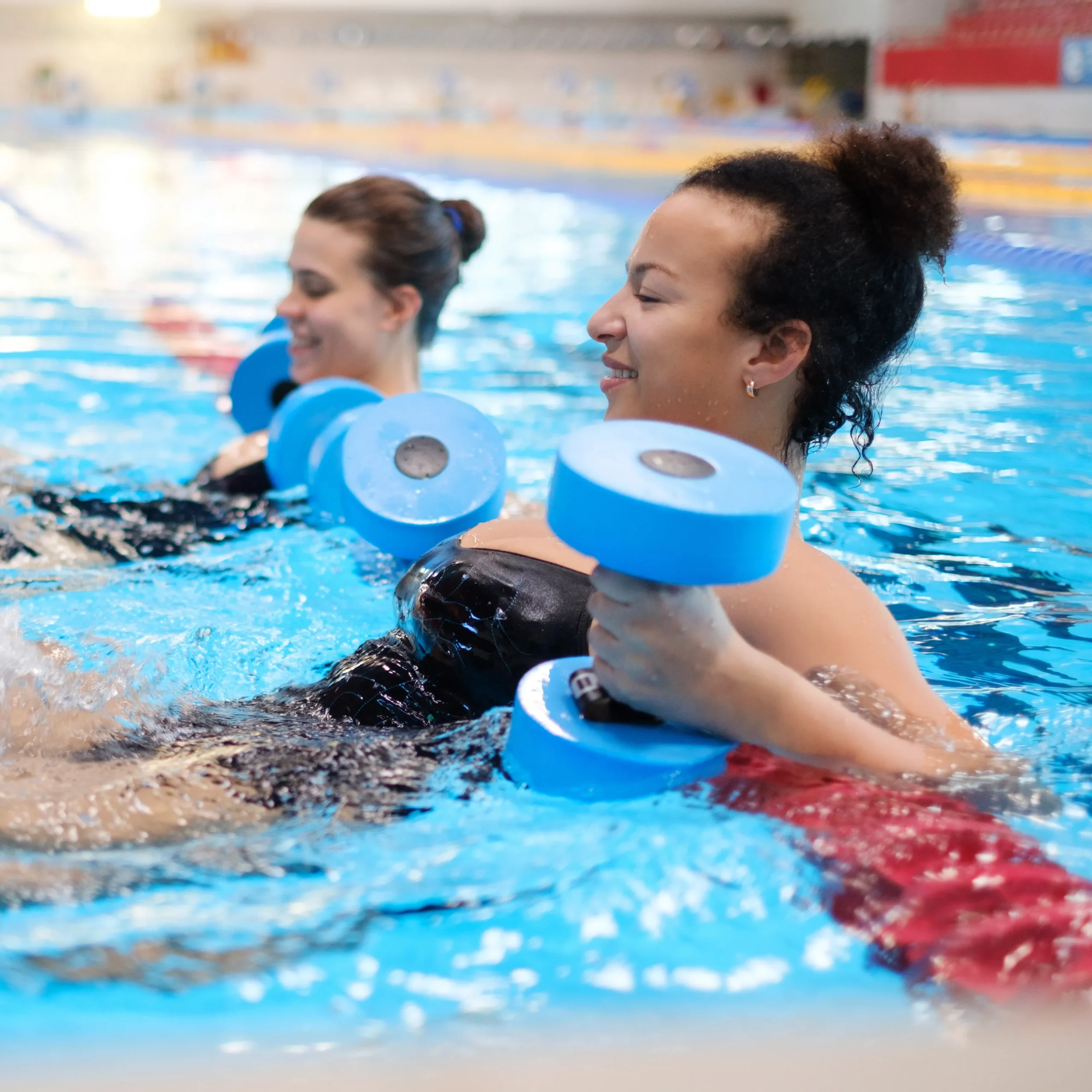
Aquatic therapy is a form of physical therapy performed in warm water rather than on land. It uses the natural properties of water — buoyancy, resistance, and temperature — to support movement and exercise. It’s especially useful after surgery, when movement is needed but full weight-bearing is not yet safe or comfortable.
You don’t need to know how to swim to benefit from aquatic therapy. Movements are generally performed in chest-high water and may include walking, strength training, balance work, or controlled stretching.

Seven Reasons to Consider Aquatic Therapy After Surgery
Reduced Joint Stress Without Reduced Progress
Water naturally supports body weight. That means that if you’re standing in chest-deep water, the body bears only a fraction of its normal weight. As a result, your healing joints and tissue take on less stress, and you can begin controlled movement without the strain they would feel on land. This allows strength and mobility to improve while protecting surgical repairs.
Earlier and Safer Return to Movement
Post-surgical stiffness can develop quickly when movement is delayed. However, water has several qualities that can make movement easier. For example, it supports balance for those who might feel unsteady, essentially eliminating fall risk when you’re performing exercises in the pool. It also allows you to perform movements such as walking, squatting, and gentle rotations earlier than you could on land. For patients who feel hesitant or fearful after surgery, the water provides a safer environment to regain confidence in movement.
Pain Reduction During Exercise
Post-surgical pain often limits how much exercise you can do on land. Our gently-heated pool helps change that by relaxing muscles and providing gentle buoyancy that reduces joint compression, allowing for controlled effort with minimal discomfort. Many patients report they can move more freely in water than on land, even early after surgery. This can improve participation and consistency with rehab.
Improved Strength Without Heavy Loading
Water provides resistance in all directions, and the faster you move, the more resistance you feel. At the same time, movement feels easier due to the water’s natural buoyancy. These two factors can help you restore strength after surgery without overloading your tissues. They also allow our physical therapist to adjust the difficulty of exercises simply by changing speed or position.
Better Range of Motion With Less Guarding
Improving range of motion is essential for restoring everyday functional tasks, such as walking or reaching. Unfortunately, it’s not uncommon for post-surgical patients to limit movement because of pain or fear, which can slow recovery. Aquatic therapy helps eliminate these concerns by supporting limbs during movement, allowing for a gradual stretching with less discomfort. Water also helps reduce muscle guarding, an involuntary tightening of muscles that can limit progress.
Support for Balance and Neuromuscular Control
Surgery can disrupt balance and coordination, especially after joint replacement or lower-limb surgery. Water can help challenge your balance in a controlled way for safe, steady improvement. For example, gentle turbulence in the water activates stabilizing muscles, while slower movement gives the nervous system time to respond without the risk of falling. These factors improve neuromuscular control (the brain’s ability to communicate with muscles), which is essential for safe movement outside the pool.
Enhanced Mental and Emotional Benefits
Post-surgical recovery is challenging, and frustration, fear, and low confidence can slow progress. For many patients, aquatic therapy feels more comfortable and less intimidating than land-based physical therapy, encouraging active participation that can improve long-term post-operative outcomes.
Aquatic Therapy vs. Land-Based Therapy: When Each Is Used
Both aquatic therapy and land-based therapy play important roles in rehabilitation, and the right choice depends on your stage of recovery, comfort level, and movement goals.
Land-based therapy is typically introduced when:
- You are ready to build strength for daily activities
- Balance, coordination, and walking mechanics need improvement
- Functional movements like stairs, lifting, or sport-specific tasks are the focus
Aquatic therapy is often used when:
- Weight-bearing needs to be limited after surgery
- Pain, swelling, or stiffness make movement difficult
- Gentle resistance is needed to rebuild strength and mobility
- Early movement is important without stressing healing tissues
In many cases, the most effective recovery plan uses both approaches. Starting in the pool can help you move sooner and with less discomfort, while transitioning to land-based therapy helps prepare your body for real-life movement demands. Your physical therapist will guide the timing and progression to support safe, confident healing every step of the way
Take the Next Step in Your Recovery
If you’re rehabbing after surgery, aquatic therapy can help reduce pain, restore movement, and build strength at a pace that respects healing tissues. For many post-operative patients, it bridges the gap between rest and full activity. Are you scheduled for surgery? Now’s a great time to contact Beyond Limits Physical Therapy to learn whether aquatic therapy might fit into your recovery program and help you make a confident return to work, sport, and daily life.
Tee Up for a Healthy Golf Season
March marks the arrival of spring and the anticipation of a brand-new golf season. It’s not just about dusting off your clubs but also about prepping your body for the game. Here are some effective tips to ensure you swing into the new season at your best physical ability.
- Dynamic Warm-Up: Replace traditional static stretching with dynamic warm-ups like leg swings, arm circles, and torso rotations to prepare your muscles and joints for the various movements in golf.
- Balance and Coordination: Golf requires a high level of balance and coordination. Our therapists can give you drills to enhance your stability, which in turn will improve your swing.
- Soft Tissue Work: Use foam rollers or a massage stick to work on your soft tissue. This helps muscle recovery and keeps you loose and limber, reducing the risk of strains or sprains.
By incorporating these cutting-edge tips into your preparation, you’re setting yourself up for a healthier, more enjoyable golf season. May your drives be long and your putts be true!

Exercise of the Month:
Figure Four Bridge
- Begin on your back. Bend your knees and keep your back flat on the ground.
- Cross one leg over the other so that your legs make a “4”.
- Gently, contract your abdominals and hold to keep your back flat as you move up into the bridge position. Remember to breathe.
- Gently, squeeze your butt muscles and lift your hips off the ground. The goal is to have your hips aligned with your knees and shoulders.
3 Sets, 10 Reps.
You don’t need a doctor’s permission slip to start feeling better.
Not everyone knows this, but if you’re dealing with pain or an injury—new, old, or “I’ve-had-this-forever”—you can go straight to a physical therapist. Yep, in all 50 states! That means you can book an appointment with one of our amazing therapists and get help sooner rather than later.
This magical little thing is called Direct Access. In simple terms? It means you can see a physical therapist when you want, without first visiting a physician or medical provider. Physical therapists are trained to assess and treat injuries on their own, and they do it every day.
Patient Success
“Started at Beyond Limits for a knee issue that was painful and affecting my gait. After two weeks of physical therapy there has been noticeable improvement. This shop is top notch–everyone works together, they are organized and efficient, if someone is not available someone else jumps in to help, and the proof is in the pudding–my knee feels quite a bit better! Special shout out to Mitchell, an awesome PT, and Rachel at the front desk. Both are kind, helpful, and great at what they do. PLUS, Beyond Limits is only 5 minutes from home. I started here based on its great reputation–I can now verify it is well deserved.” – K.J.
Share the Love
Help others discover us by leaving a quick review and sharing your thoughts. Your feedback helps us grow and keep improving—thank you for being part of our community!
Recipe of the Month: Lucky Green Power Bowl

Ingredients:
- 1 cup cooked quinoa (or brown rice if you prefer)
- 1 cup fresh baby spinach or kale
- 1 cup broccoli florets
- 1 cup Brussels sprouts (halved)
- 1 tbsp olive oil
- Salt + pepper
- Optional: garlic powder or smoked paprika
- ½ avocado, sliced
- ½ cup cucumber, chopped
- ¼ cup green peas or edamame
- A handful of fresh herbs (parsley, cilantro, or mint)
Dressing:
- 2 tbsp tahini
- Juice of ½ lemon
- 1 tsp Dijon mustard
- 1 small clove garlic (or ½ tsp garlic powder)
- Water to thin
- Salt to taste
Instructions:
- Roast the veggies: Toss broccoli and Brussels sprouts with olive oil, salt, and pepper. Roast at 400°F (205°C) for 20–25 minutes until crispy and golden.
- Build the base: Add quinoa to a bowl, top with fresh greens so they slightly wilt from the warmth.
- Pile on the green magic: Add roasted veggies, avocado, cucumber, peas, and herbs.
- Drizzle the luck: Whisk dressing ingredients until smooth and pour generously over everything.
- Optional flair: Sprinkle with pumpkin seeds or hemp seeds for extra crunch.

Sources
- https://www.ewacmedical.com/wp-content/uploads/2024/12/Patil-2024-Aquatic-Therapy-Benefits-and-Applications-in-Physiotherapy.pdf
- https://www.researchgate.net/profile/Kamalakannan-Rathinavel/publication/377302470_Role_of_Aquatic_Therapy_in_Knee_Rehabilitation_A_Narrative_review/links/65e9e3d1d926ae0fdcf4f1e8/Role-of-Aquatic-Therapy-in-Knee-Rehabilitation-A-Narrative-review.pdf