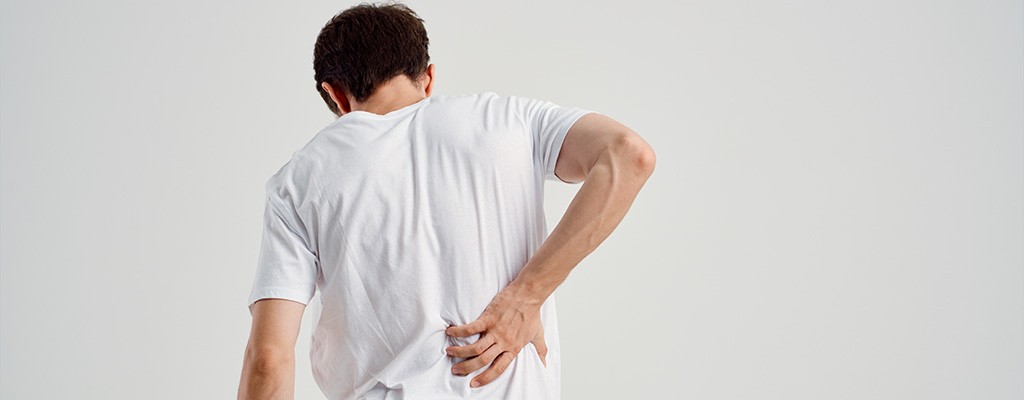
Real Solutions for Back Pain Caused by Herniated Discs
Are you struggling with intense lower back pain? Do you notice that straightening up all the way is painful or impossible? Did this pain start after lifting something heavy or twisting your back? If you nodded ‘yes’ to these questions, you might have a condition known as a herniated disc. Don’t worry; there are proven strategies that can help you feel good again!
Herniated discs are not always painful, but they can be excruciating when they are. Due to the severity of pain associated with a herniated disc, people will try to avoid hurting themselves more and avoid activity. Unfortunately, misguided healthcare practitioners still recommend rest or, worse, bed rest, which is why getting proper treatment is essential!
At Beyond Limits Physical Therapy, our team of specialized physical therapists is fully equipped to guide you toward the relief you’ve been seeking, allowing you to get back to the activities you genuinely love without pain!
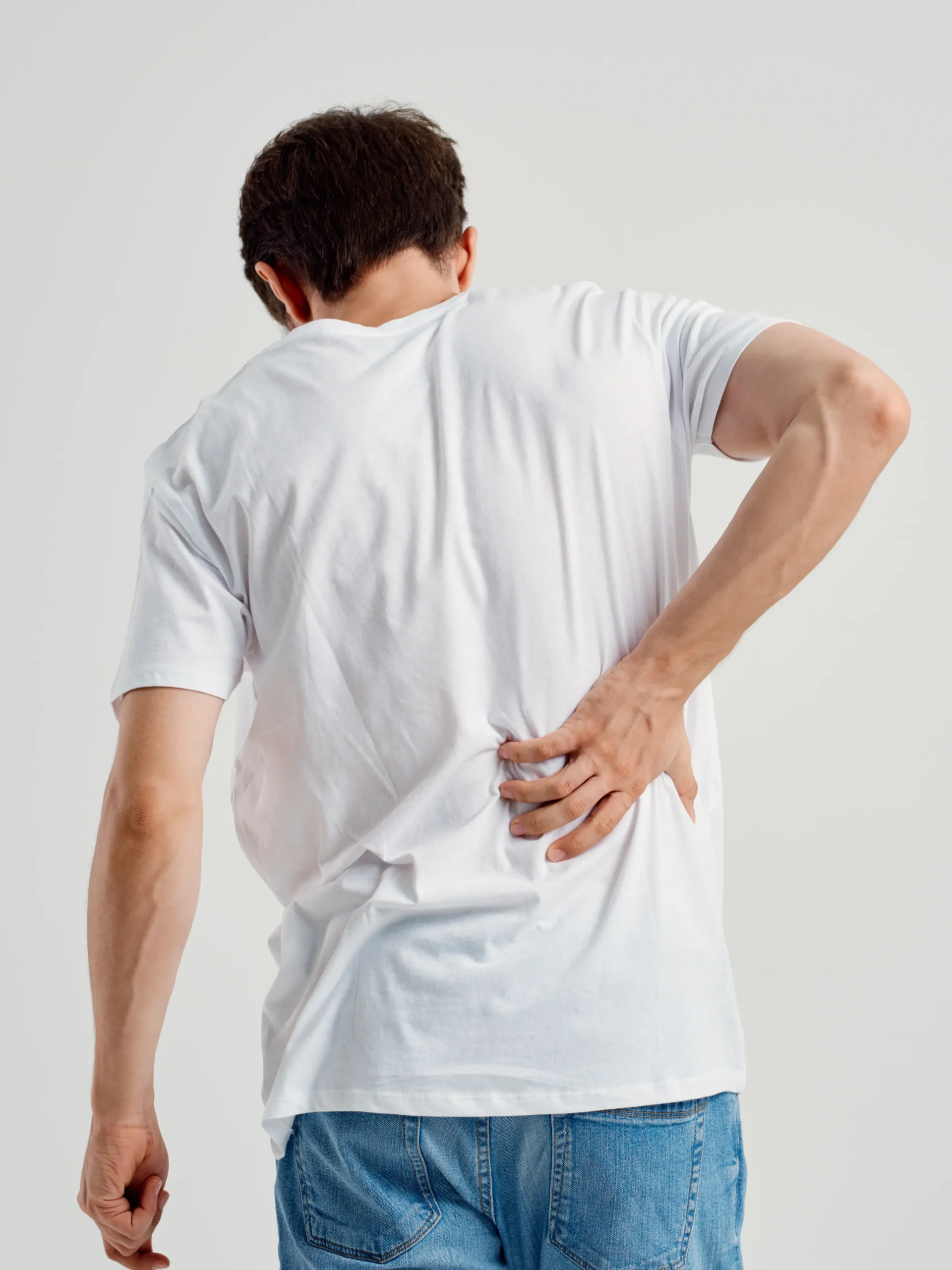
Understanding the Nitty-Gritty of a Herniated Disc
To understand what a herniated disc is, it’s important first to understand the role of spinal discs. Your discs are like shock absorbers in your spine, absorbing compressive forces and permitting smooth, free movements like bending forward, backward, and rotating.
However, as we age, our discs naturally degenerate, begin to dry out, become more stiff, and weaken, becoming more susceptible to herniation. Think of your discs as being like grapes when you’re young and then drying up to be more like raisins as you age.
Risk Factors
In addition to age, several variables can elevate your risk of experiencing a herniated disc, including:
- Smoking: Cigarettes are thought to reduce the supply of oxygen to the disc, causing it to break down more quickly than it normally would.
- Occupation: Those engaged in jobs requiring repetitive motions like lifting, bending, and twisting are also more susceptible.
- Sedentary Lifestyle: Long durations of sitting, especially in incorrect postures, contribute to increased risk.
- Genetics: Family history may play a role in increasing the risk of developing a herniated disc.
How a Herniated Disc Causes Pain
A herniated disc occurs when the soft, gel-like substance in the middle of the disc breaks through the inner aspect of the disc and protrudes out, usually in the back wall of the disc. This bulging out can pinch the nearby spinal nerves, leading to inflammation and excruciating pain that might even radiate down your leg or arm.
Even when the disc doesn’t affect the nerves, it is infamous for causing sharp and intense pain in the lower back, affecting your ability to move, especially standing upright, and interfering with your overall quality of life. For some, the pain is so unbearable that it hampers even the simplest daily tasks, like sitting, moving, or lying down to sleep.
The silver lining? Our skilled physical therapists can teach you how to manage your debilitating pain and provide the tools to return to a pain-free life!
Unconventional Yet Highly Effective Tips to Help Your Back Pain
Back pain is one of the most common ailments affecting adults worldwide. While there are various conventional treatments and strategies for dealing with back pain, prevention remains the best approach. Here are a few uncommon yet highly effective tips for preventing back pain that you can try at home.
Diaphragmatic Breathing
Diaphragmatic breathing is not just for Yoga enthusiasts. This breathing technique engages your diaphragm, reduces your heart rate, and helps in relaxation. Surprisingly, it also helps in stabilizing your core. A strong core can better support your back, preventing back pain.
- Lie on your back with your knees bent. Place one hand on your chest and another on your abdomen.
- Inhale deeply through your nose, allowing only your abdomen to rise.
- Exhale through your mouth, engaging your core muscles.
- Practice this for 5-10 minutes daily.
Dynamic Sitting
Sitting for prolonged periods is a leading cause of back pain. Dynamic sitting encourages movement even while seated, making your core muscles work in maintaining posture.
- Choose a chair that allows freedom of movement. Swivel chairs are a good choice.
- Shift your weight periodically and tilt your pelvis by moving your belly button forward, and then tilt your pelvis back, allowing your lower back to “slouch” slightly backward.
- Engage your core muscles intermittently while sitting using the same diaphragmatic breathing mentioned above.
Visualization Techniques
Believe it or not, the mind plays a significant role in perceiving pain. Visualization techniques can not only help in relaxing tense muscles but can also mentally train you to handle pain better.
- Close your eyes and imagine a serene environment.
- Visualize the tension in your back being replaced by relaxed, calm muscles.
- Pair this visualization with deep breathing for better results.
Why Wait?
Call Beyond Limits Physical Therapy today for a comprehensive evaluation and learn the steps you can actively take to recover from a herniated disc and guard against future occurrences. Book your life-changing appointment today!
Kids Heading Back to School? Here’s How to Help Them Avoid Back Pain
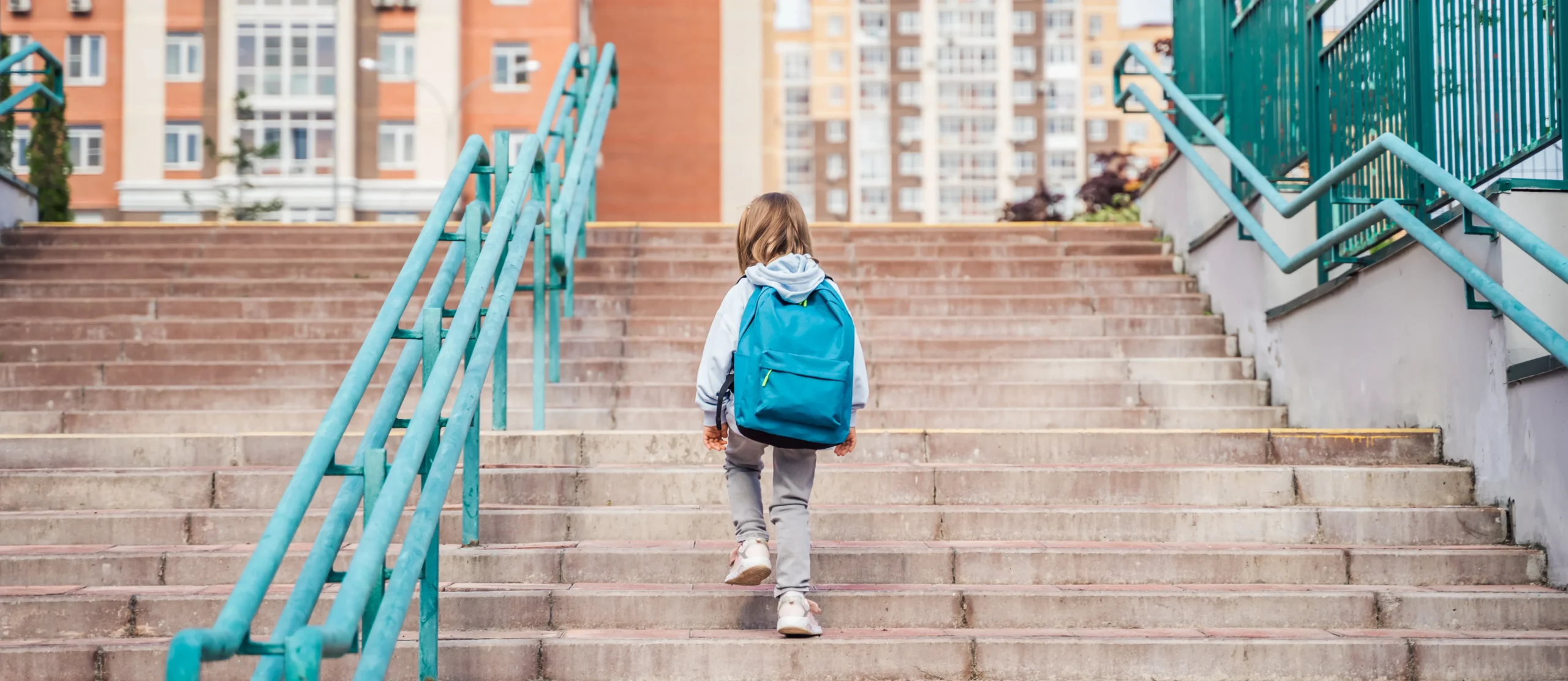
Between laptops, tablets, and old-fashioned textbooks, heavy backpacks are a reality for anyone starting school this fall (including the teachers!). Improper backpack usage can contribute to back pain, particularly in the upper back—but a few simple tips will help keep your kids pain-free this school year.
Find a Backpack That Fits
Most kids choose backpacks for their coolness factor, not their size, but it’s important your child’s backpack is the right fit for them. A properly fitting (and properly filled) backpack should rest on the hips, not the shoulders.
Don’t Go Too Heavy
A backpack shouldn’t exceed 10% of your child’s body weight. Bust out the bathroom scale to ensure your child isn’t overloading their pack!
Encourage Good Posture
Help your child find their ideal posture by asking them to lift their chest/sternum up toward the sky, which helps their spine settle into proper alignment.
Keep Your Child Comfortable All School Year
Want more back-to-school backpack tips? Call Beyond Limits Physical Therapy to schedule a personalized assessment to help identify any areas of weakness or impairment that might be contributing to backpack-related discomfort—and strategies for resolving them!
Modified Piriformis Stretch
The Modified Piriformis Stretch helps improve flexibility in the hips and glutes while reducing tension around the sciatic nerve. This gentle stretch can help improve mobility and relieve tightness through the lower body.
Start by lying on the ground with knees bent and feet flat on the floor.
Cross one ankle over the opposite knee and gently apply pressure to the top knee to deepen the stretch.
Hold for 30 seconds. Slowly lower your leg back to the floor and repeat on the other side.
You don’t need a doctor’s permission slip to start feeling better.
Not everyone knows this, but if you’re dealing with pain or an injury—new, old, or “I’ve-had-this-forever”—you can go straight to a physical therapist. Yep, in all 50 states! That means you can book an appointment with one of our amazing therapists and get help sooner rather than later.
This magical little thing is called Direct Access. In simple terms? It means you can see a physical therapist when you want, without first visiting a physician or medical provider. Physical therapists are trained to assess and treat injuries on their own, and they do it every day.
Patient Success
“I have been pleased and impressed with the whole crew at the South Jordan location. From Julia at the desk to Charlie who assists to phenomenal Jason, physical therapist, the service and care is exceptional. I would not go anywhere else.” – Cristie
Share the Love
Help others discover us by leaving a quick review and sharing your thoughts. Your feedback helps us grow and keep improving—thank you for being part of our community!

Mediterranean Chicken Bowl
This colorful Mediterranean Chicken Bowl is packed with lean protein, crisp vegetables, wholesome grains, and a creamy tzatziki sauce. It’s a fresh, satisfying meal that’s perfect for lunch, dinner, or meal prep.
Ingredients
- 1 lb boneless, skinless chicken breasts
- 2 cups cooked brown rice or quinoa
- 1 cup cherry tomatoes, halved
- 1 cucumber, diced
- ½ cup red onion, thinly sliced
- ½ cup kalamata olives
- ½ cup crumbled feta cheese
- 2 cups chopped romaine lettuce
- 2 tbsp olive oil
- 1 tsp dried oregano
- 1 tsp garlic powder
- ½ tsp paprika
- Salt and black pepper to taste
- 1 cup tzatziki sauce
- Fresh parsley and lemon wedges for serving (optional)
Instructions
- Season the chicken with olive oil, oregano, garlic powder, paprika, salt, and pepper.
- Cook the chicken in a skillet over medium-high heat for 5–7 minutes per side, or until it reaches an internal temperature of 165°F. Let rest for 5 minutes before slicing.
- Divide the cooked brown rice or quinoa among four bowls.
- Top with romaine lettuce, tomatoes, cucumber, red onion, olives, feta cheese, and sliced chicken.
- Drizzle with tzatziki sauce and garnish with fresh parsley and a squeeze of lemon, if desired.
- Serve immediately or refrigerate for meal prep throughout the week.