
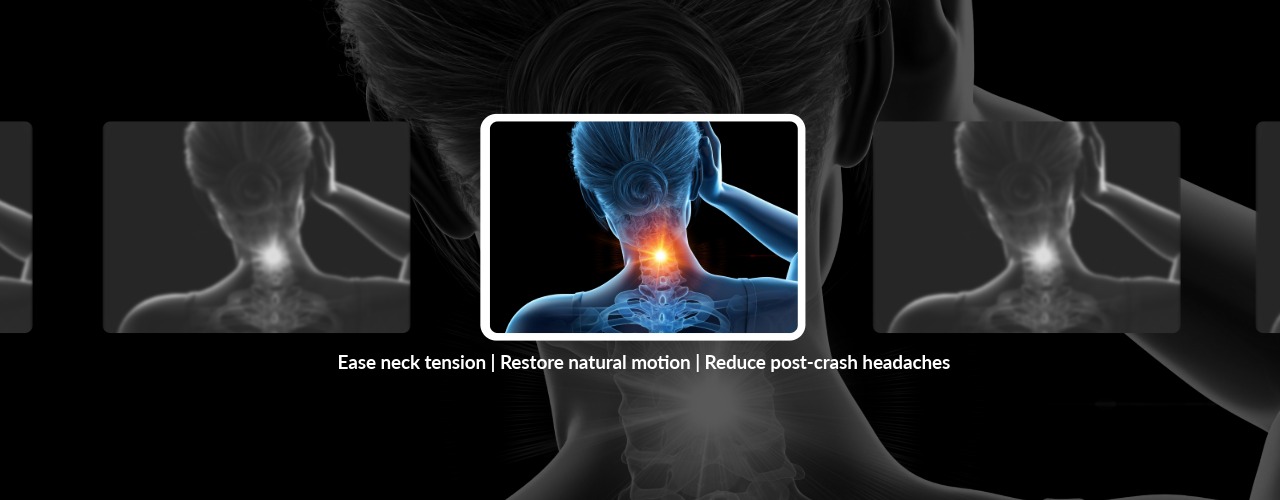


Sarah was driving home from work when another car hit her from behind at a stoplight. The crash felt minor, and she walked away thinking she had avoided serious injury. But the next morning, her neck felt stiff, and she noticed a dull ache spreading into her shoulders. She struggled to turn her head fully and felt a heavy pressure at the base of her skull. These early signs were classic symptoms of whiplash after a car accident, though she did not realize it at the time.
Sarah’s Recovery Journey After Her Accident
How the First Symptoms Began to Grow
Over the next few days, the stiffness intensified. Sarah felt sharp pain when she looked over her shoulder and noticed headaches by midday. Simple tasks, such as driving or working at her computer, became uncomfortable. As the tightness spread into her upper back, she realized the pain was not going away on its own. She made an appointment at Beyond Limits Physical Therapy to understand what was happening and why her symptoms kept growing.
What the Physical Therapy Evaluation Revealed
During her first visit, the physical therapist asked about the accident, her symptoms, and her daily routine. They tested her neck motion, checked the strength in her upper back, and looked for tender areas around the neck. The therapist explained that whiplash after a car accident often stretches muscles and irritates the soft tissues that support neck movement. Even small collisions can cause the head to snap forward and back quickly, creating micro-strains that become painful hours later.
Sarah learned that her symptoms were not unusual. Her neck muscles were guarded, her upper back was tight, and her posture had shifted without her noticing. These changes affected how her neck moved and contributed to the headaches she felt.
Manual Therapy for Immediate Pain Relief
The therapist began her plan with gentle manual therapy to ease tension in the neck and upper back. This included soft tissue work to reduce tightness and light joint techniques that encouraged movement without aggravation. Sarah noticed immediate relief as the heaviness in her neck began to decrease. Manual therapy helped calm irritation and prepared her muscles for the next phase of treatment.
Building Confidence Through Guided Movement
Once Sarah’s pain eased slightly, her therapist introduced simple movements to help restore normal mobility. These exercises focused on slowly turning her head, looking up and down, and moving her shoulders comfortably. Early motion was important because it prevented stiffness from building. Sarah practiced these exercises at home throughout the day to keep her neck from tightening again.
Restoring Strength for Long-Term Recovery
As her comfort improved, the therapist progressed her plan to include strengthening exercises. Weak neck and upper back muscles made it harder for Sarah to hold good posture and keep her neck supported. Strengthening exercises helped restore stability, allowing her neck to move without irritation. These exercises target the deep neck muscles, shoulder stabilizers, and upper back muscles that protect the spine during daily activities.
Correcting Posture to Reduce Neck Strain
The therapist also helped Sarah correct her posture during work and driving. She learned how to position her screen, adjust her chair, and sit in a way that reduced pressure on her neck. Small changes made a big difference. With better posture, her head stayed aligned with her shoulders, which eased strain and supported her healing tissues.
Understanding Why Symptoms Took Time to Improve
Sarah learned that whiplash after a car accident often causes delayed symptoms because the body reacts over time. Muscles tighten to protect injured tissues, and swelling can limit movement. Physical therapy helped her move through these phases safely. By reducing tension, improving motion, and strengthening key muscles, her recovery became more predictable and steady.
Returning to Normal With Less Fear and More Strength
After several weeks of therapy, Sarah noticed major improvements. She could look over her shoulder comfortably, her headaches decreased, and she felt more stable when driving. She no longer feared sudden movements or long workdays. Her neck felt stronger, and her daily activities felt easier and smoother.
Find Support for Whiplash After a Car Accident at Beyond Limits Physical Therapy
At Beyond Limits Physical Therapy, physical therapists help adults recover from whiplash after a car accident with personalized care that reduces pain, restores mobility, and rebuilds strength. Through manual therapy, aquatic therapy, and guided exercises, our team helps patients return to daily life with greater comfort and confidence. If your neck feels stiff, sore, or unsteady after a collision, contact Beyond Limits Physical Therapy today to begin a safe and supportive recovery plan.