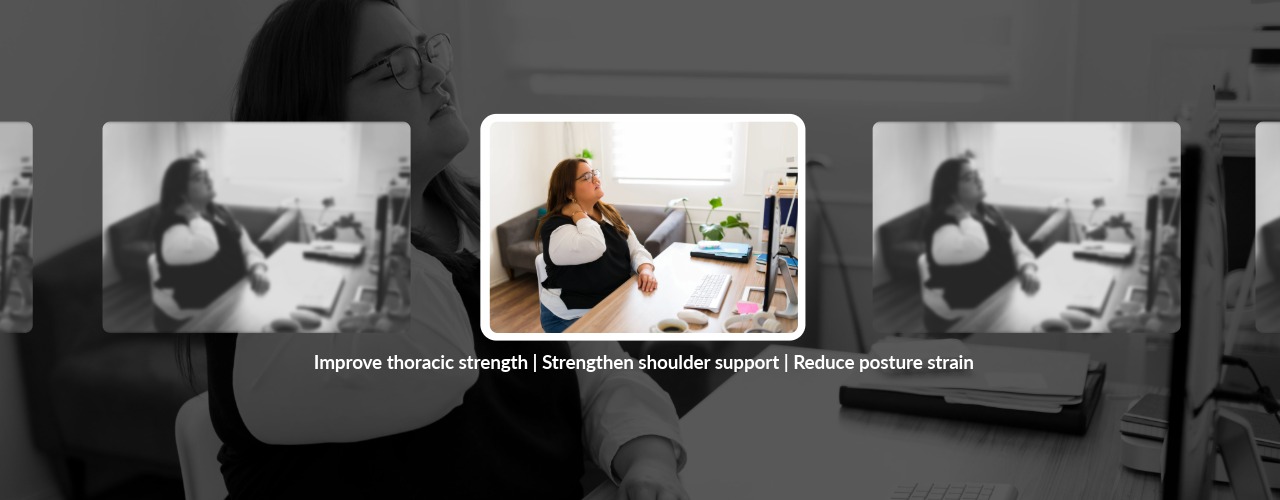



Chronic back pain affects many adults and often disrupts work, daily tasks, and sleep. This condition develops slowly as tissues stiffen, weaken, or react to repetitive strain. Understanding how chronic back pain forms helps adults take steps that support steady healing and long-term comfort. Physical therapists guide people through proven strategies that improve movement, ease irritation, and strengthen the body.
How-To Guide: Improve Daily Movement with Chronic Back Pain
Below are clear steps adults can follow to support comfort and improve mobility.
Step 1: Understand What Chronic Back Pain Really Is
Chronic back pain lasts longer than expected and often returns during routine tasks. It may feel sharp, dull, tight, or stiff depending on the structures involved. Muscle tension, joint irritation, weak core muscles, or poor posture patterns all contribute to long-lasting discomfort. Physical therapists evaluate these factors to determine the underlying cause of the pain. This information forms the foundation of a personalized recovery plan.
Step 2: Start with Gentle Mobility Every Day
Staying still increases stiffness. Gentle mobility exercises help the spine move comfortably and reduce pressure on irritated tissues. Physical therapists teach safe motions that loosen the lower back and hips. These movements encourage circulation and help reduce the sensitivity tied to chronic back pain. Consistent mobility work makes bending, walking, and standing more comfortable throughout the day.
Step 3: Build Core Strength to Support the Spine
Weak core muscles place extra stress on the back. Building strength in the abdomen, hips, and lower back helps protect the spine during everyday movement. Physical therapists provide exercises that match each person’s comfort level. These exercises enhance stability during activities such as lifting, reaching, and sitting. Stronger core muscles play a key role in long-term control of chronic back pain.
Step 4: Improve Hip Flexibility to Reduce Lower Back Strain
Tight hips limit motion, forcing the lower back to compensate. When the hips do not bend well, the back must work harder during activities such as walking, stair climbing, or bending. This pattern increases strain and discomfort. Physical therapists teach hip mobility exercises that support smoother, more natural movement. As hip flexibility improves, pressure on the lower back decreases, and daily tasks feel easier.
Step 5: Use Manual Therapy to Ease Tension and Improve Comfort
Manual therapy helps loosen tight muscles and support better joint motion. Physical therapists apply gentle, controlled pressure to help irritated tissues relax. This hands-on care helps reduce the stiffness that contributes to chronic back pain and prepares the body for strengthening exercises. Many adults feel more comfortable and more confident in their movement after these sessions.
Step 6: Address Posture Habits That Increase Back Stress
Posture plays a significant role in back comfort. Slouching, sitting with a forward bend, or spending long hours in fixed positions can increase strain on the spine. Therapists teach posture strategies that reduce pressure and help adults maintain healthier alignment throughout the day. These simple changes often lead to significant improvements in comfort and mobility.
Step 7: Retrain Safe Lifting and Bending Techniques
Improper lifting or bending can aggravate chronic back pain. Physical therapists teach safe techniques that protect the spine during work tasks and daily routines. These strategies include keeping items close to the body, bending at the hips, and using leg strength instead of the lower back. Practicing these movement patterns helps reduce stress and prevent flare-ups.
Step 8: Build Endurance to Prevent Recurring Pain
Fatigue increases the risk of poor movement patterns. When muscles tire, the body begins to rely on weaker areas, which contributes to discomfort. Therapists add endurance exercises that help adults maintain better control throughout the day. Improved endurance supports steady progress and reduces the risk of new injuries.
Step 9: Learn When to Rest and When to Move
Prolonged rest can slow healing and increase stiffness. Timed rest breaks help the body recover without losing mobility. Physical therapists teach adults how to balance rest with movement so the back stays comfortable throughout the day. This balanced approach helps reduce flare-ups and supports long-term control of chronic back pain.
Step 10: Stay Consistent with Your Program
Consistency is the key to meaningful improvement. Each exercise, posture habit, and mobility drill supports healthier movement patterns. When adults follow their program daily, their spine becomes stronger and more resilient. This consistency helps reduce symptoms and improve overall comfort during work and home activities.
Find Supportive Care at Beyond Limits Physical Therapy
At Beyond Limits Physical Therapy, physical therapists provide personalized care to help adults manage chronic back pain through targeted movement, hands-on treatment, and guided strength training. If back discomfort is limiting your daily life, contact Beyond Limits Physical Therapy today to start a supportive path toward improved mobility and long-term comfort.