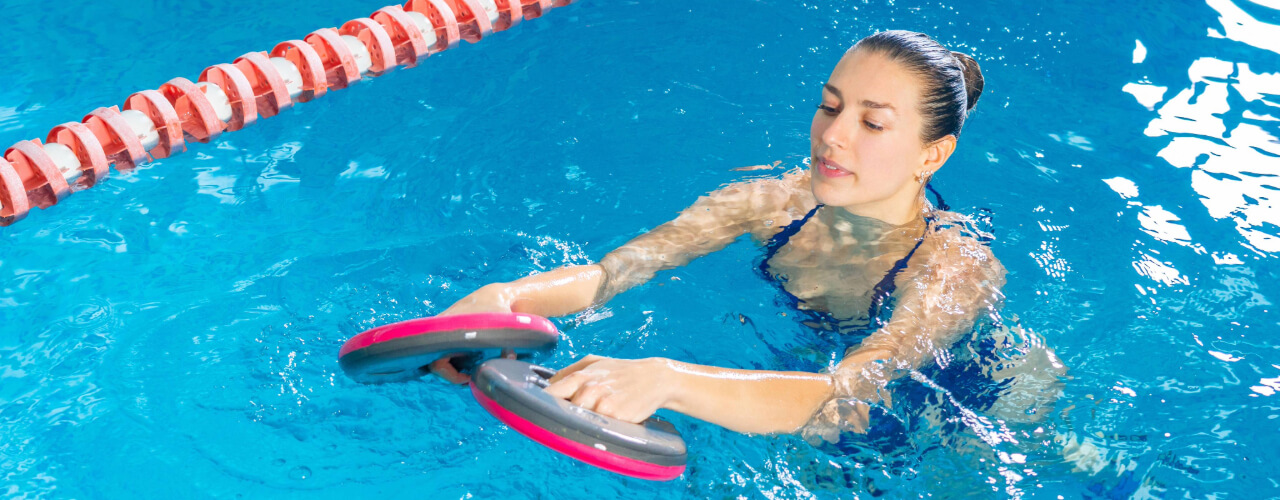



Many adults expect soreness after surgery, but they often feel surprised by how difficult early movement can be. Stiffness develops quickly, muscles weaken from limited activity, and simple tasks feel harder than before. The body needs movement to recover, yet moving too soon on land can be uncomfortable or intimidating. This is where aquatic therapy for post-surgery rehab becomes essential. The water creates a supportive space that reduces pressure and allows healing tissues to move safely. Below is a clear explanation of the most common recovery problems and how aquatic therapy solves them.
Problems and Solutions: Why Recovery Feels Harder Than Expected After Surgery
Problem: Pain and Tension That Limit Early Movement
After surgery, soft tissues tighten from swelling and reduced motion. This tightness makes bending, stepping, or lifting the limbs uncomfortable. Many adults hesitate to move because they fear irritating the incision area or causing a setback. This hesitation slows progress and increases stiffness. The longer the joint stays still, the harder it becomes to regain motion.
Solution: Warm Water That Helps Muscles Relax
Aquatic therapy begins with warm water that helps loosen tight muscles. As warmth increases blood flow, tissues relax, making movement less painful. The water helps adults perform gentle exercises sooner than they could on land. This early motion reduces stiffness and supports a smoother recovery. Warm water also calms the nervous system, helping adults feel more at ease during the first phases of rehab.
Problem: Weight-Bearing Feels Difficult or Scary
After joint or spine surgery, the body may not tolerate full weight-bearing right away. Standing on a healing knee, hip, ankle, or back can feel unstable or painful. Even with assistive devices, some adults struggle to move without fear of falling or placing too much pressure on the surgical area. This fear can slow progress and make therapy feel overwhelming.
Solution: Buoyancy That Reduces Pressure on Healing Joints
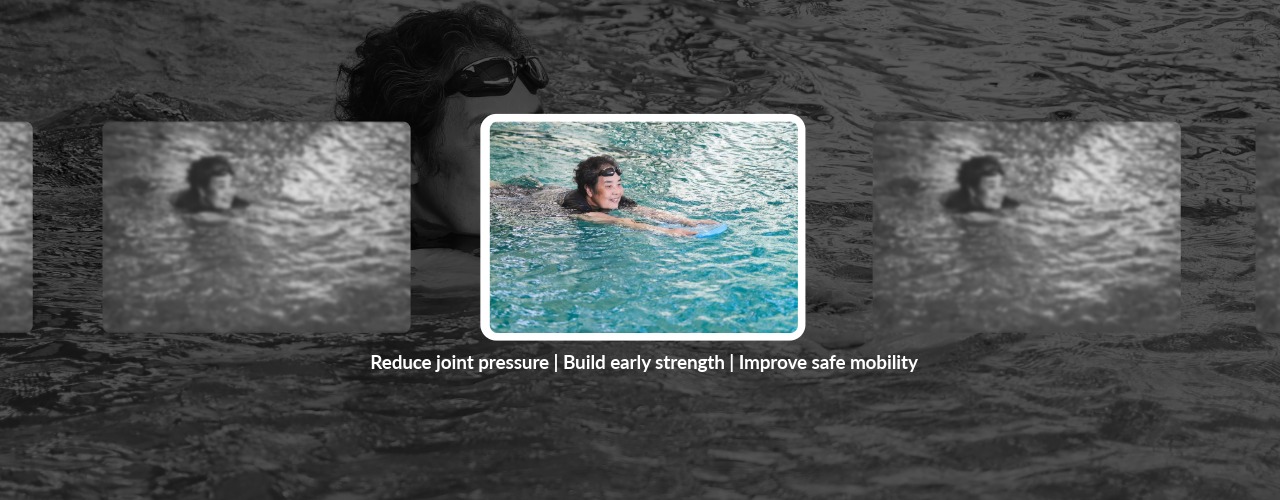
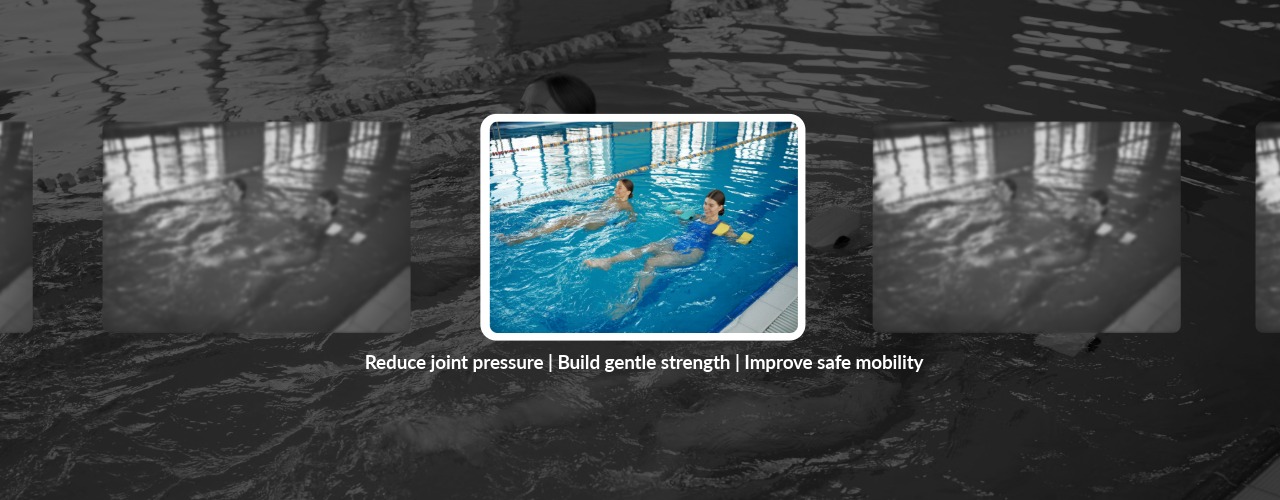
One of the greatest advantages of aquatic therapy for post-surgery rehab is buoyancy. The water supports part of the body’s weight, which makes standing, walking, or stepping far more comfortable. This support lets adults practice these movements without strain. The reduced pressure allows the body to relearn basic movement patterns safely and confidently. As strength improves, therapists gradually increase the challenge to prepare the patient for land-based therapy.
Problem: Weakness That Makes Exercise Difficult
Surgery often leads to muscle weakness from inactivity. Weak muscles can cause discomfort during routine tasks and slow the recovery timeline. Traditional strengthening exercises may feel too intense early on, especially when weight-bearing is limited.
Solution: Gentle Resistance That Builds Strength Safely
Water provides natural resistance that adjusts to your effort. This helps the body build strength without heavy loads. Moving arms or legs through water challenges the muscles in a gentle, controlled way. Adults can practice movements that would be too difficult on land, such as lifting the knee, bending the hip, or performing slow stepping drills. This gradual strengthening prepares the body for more advanced exercises later in recovery.
Problem: Limited Mobility That Makes Daily Tasks Hard
Stiffness can make it difficult to perform simple movements like bending, reaching, stepping, or standing up. If mobility does not improve early, it becomes harder to regain functional motion later. Limited mobility can also lead to compensations that strain other parts of the body.
Solution: Supported Motion That Restores Mobility
Water reduces friction and pressure, allowing joints to move more freely. Therapists use aquatic therapy for post-surgery rehab to improve bending, stretching, and rotation. These movements support better mobility without overwhelming healing tissues. As mobility increases, daily tasks become easier and more comfortable.
Problem: Poor Balance and Confidence During Early Rehab
After surgery, many adults feel unsure about their balance. Swelling, weakness, and limited motion make the body feel unstable. Fear of falling can prevent people from participating fully in rehab.
Solution: A Safe Environment for Retraining Balance
Water slows movement and creates a cushion of support. This helps adults practice balance and weight shifting without fear. Gentle water resistance challenges stabilizing muscles while maintaining safety. Over time, this builds confidence and improves stability for land-based activities.
Recover Comfortably at Beyond Limits Physical Therapy
At Beyond Limits Physical Therapy, physical therapists utilize aquatic therapy for post-surgery rehabilitation to help adults regain mobility, rebuild strength, and regain confidence. Our team creates personalized programs tailored to your healing stage, supporting you every step of the way through recovery. If you’re looking for a gentle and effective way to start moving again after surgery, contact Beyond Limits Physical Therapy today to begin your aquatic therapy plan.