

You have more options than ever for the day to day aches and pains of arthritis inå the current generation of medicine. When combined with professionally monitored physical therapy, you can use all of the following tips to relieve the symptoms of arthritis while improving the strength and the mobility of your muscles.
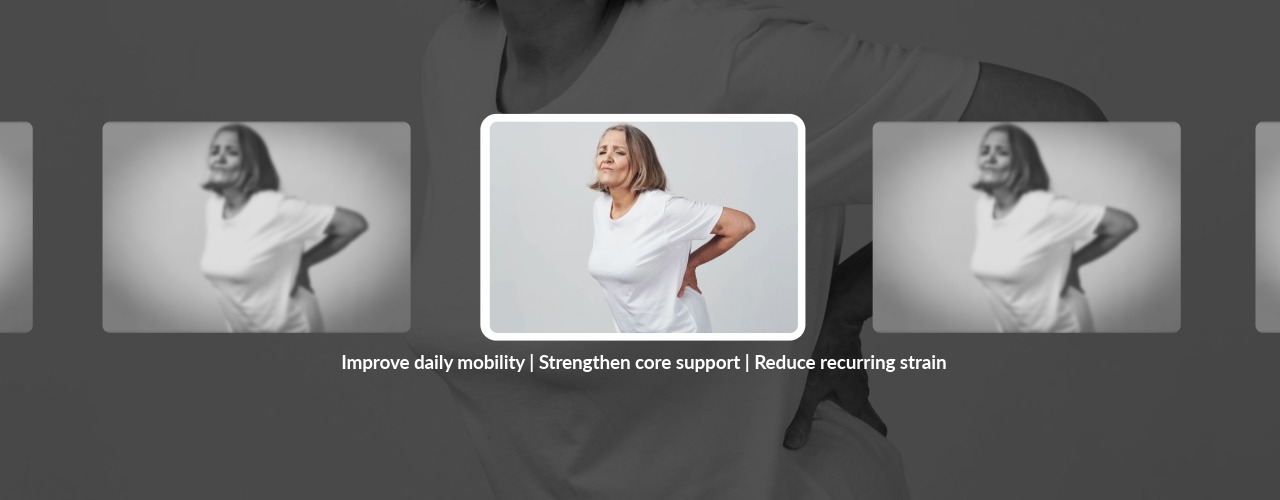
Lower back pain is a sensation all too familiar to millions of people. This ache can hinder many aspects of your life: working, spending time with friends and family, partaking in the activities you enjoy, and even just relaxing. The World Health Organization estimates that in the United States, 149 million days of work are lost due to low back pain. It is the leading cause of inactivity among adults, and it can result in other health issues if left untreated. It is also extremely common, appearing in 60-70% of people across industrialized nations.
If lower back pain is plaguing your everyday life, it is important that you find relief as soon as you can. For more information on how we can help get you back to a pain-free life, call our office today.
How can physical therapy help?
Physical therapists focus specifically on pain and injury to help their patients regain function, comfort, and mobility. Physical therapy treatments are used to alleviate pain, promote healing, and bring restored function and movement to the painful area. When you come in for a consultation, your physical therapist will provide you with an extensive evaluation, discovering what form of treatment will be best for whatever orthopedic, neurologic, or cardiovascular condition you are facing.
Physical therapy also consists of two categorized types of treatments: passive physical therapy and active physical therapy:
- Passive physical therapy
The purpose of passive physical therapy is to help pain become more manageable, and hopefully to alleviate it altogether. Lower back pain can be a debilitating condition, impeding your physical abilities. Because of this, physical therapists work hard to reduce pain as much as possible. Passive physical therapy can include any combination of these specialty treatments, as deemed fit by your physical therapist:
- Electrical stimulation, such as TENS Units
- Massage
- Manual therapies
- Hydrotherapy
- Ultrasound
- Dry needling
- Heat/ice packs
- Iontophoresis
Some of these methods are used to reduce pain and swelling, such as heat/ice packs and massage therapy. Electrical stimulation, while it sounds intimidating, is a painless treatment that delivers minuscule waves of electricity throughout your nervous system. This also helps with pain relief, and it can also help in decreasing muscle spasms, as well as encouraging your body to produce pain-relieving hormones. Hydrotherapy is an aquatic-based treatment, in which patients will perform low-intensity movements in water, thus relieving any muscle pressure they may be experiencing and allowing their joints to move freely and comfortably. These techniques are more commonly used for the treatment of lower back pain than others, although any could be prescribed based on your physical therapist’s discretion.
- Active physical therapy
The purpose of active physical therapy is to provide exercises that the patient can do on their own in the later stages of their physical therapy treatment. Once your lower back pain has subsided enough that your physical therapist believes you are ready for active physical therapy, he or she will set up and exercise schedule specific to your needs. This can include any combination of stretching, strength training, and stability training, and it is all geared toward helping you gain back your flexibility, range of motion, and muscle strength. These exercises will help provide support to the painful area and will guide you further in your recovery process.
What will my visits look like?
At your initial consultation, your physical therapist will ask you several questions regarding your medical history, lifestyle, and painful area(s). This information will assist your physical therapist in creating the best treatment plan for you and your specific needs, so you can be provided with long-term results.
After your consultation, your evaluation process will begin. Your physical therapist will examine you by assessing your posture, coordination, strength, balance, flexibility, blood pressure, and/or heart rate, depending on your pain and symptoms. This evaluation will be both manual and visual.
When you’ve completed your thorough evaluation, your physical therapist will then create your treatment plan, beginning with passive physical therapy and leading into active physical therapy. You may also be given exercises to do at home, during your time away from treatments. This is all done in order to reduce pain, avoid further injury, and provide you with the quickest recovery time possible.
If you believe your lower back pain could benefit from our physical therapy services, give our office a call today to schedule your initial consultation. We’ll help you stand up to your back pain!
Sources:
https://www.webmd.com/back-pain/guide/physical-therapy-and-back-pain
https://www.moveforwardpt.com/LowBackPain