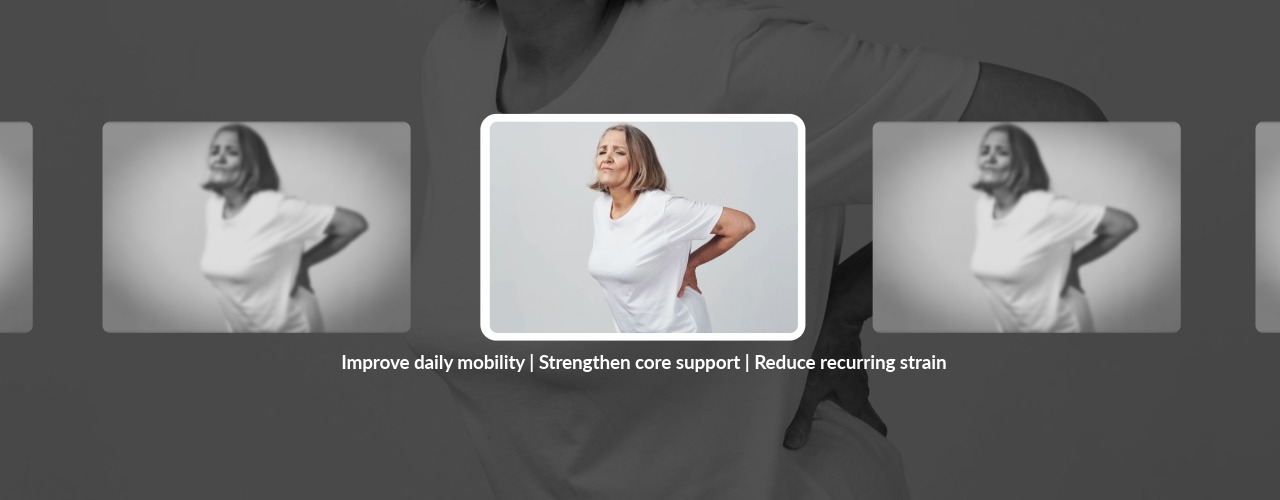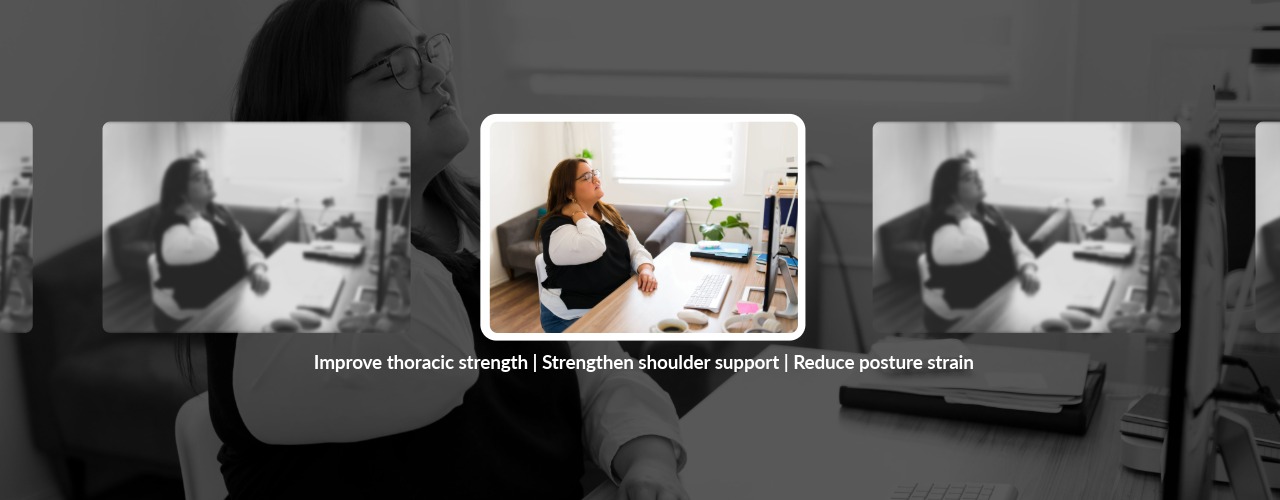


Lower back pain is a very common sensation that affects 60-70% of people across industrialized nations. It can also greatly limit many aspects of your daily life. For example, working, doing the activities you love, spending time with friends and family, or even just relaxing can be difficult if you are ached by lower back pain. It is the leading cause of inactivity among adults, and it can result in other health issues if left untreated. In fact, according to the World Health Organization, an estimated 149 million days of work are lost due to lower back pain.
If you are suffering from lower back pain, it is important to find relief as soon as possible. Contact our office today to find out how our services can ease your pain and get you back to comfortably living your life.
PT treatments for lower back pain:
The role of a physical therapist is to help patients alleviate pain and regain function. This is done by promoting healing to the affected area and using targeted exercises to restore function and movement. Then you come in for a consultation, your physical therapist will provide you with an extensive evaluation, discovering what form of treatment will be best for your condition.
There are two specific categories of physical therapy – passive therapy and active therapy:
- Passive physical therapy
Passive therapy works to manage pain. The main goal of passive therapy is to alleviate pain altogether so the rest of your treatment program will be easier. Lower back pain may impede your physical abilities due to the pain you are experiencing, so passive therapy works to alleviate that pain in order to improve your physical abilities. Passive therapy can include any combination of specialty treatments, including, but not limited to:
- Manual therapy.
- Massage.
- Ice and heat therapies.
- Dry needling.
- Ultrasound.
- Hydrotherapy.
- Electrical stimulation, such as TENS Units.
- Iontophoresis.
- Active physical therapy
Active therapy focuses on targeted exercises and stretches in order to improve function in the affected area. Many active physical therapy treatments are designed so the patient can perform them on their own, after their PT sessions are over. Once your lower back pain has subsided enough that your physical therapist believes you are ready for active physical therapy, he or she will set up an exercise plan specific to your needs. This may include any combination of strength training, stability training, and stretching. These exercises will help provide support to the painful area and will guide you further in your recovery process. Active therapy is geared toward helping you regain your muscle strength, flexibility, and range of motion.
What to expect from your visit:
At your initial consultation, your physical therapist will conduct a thorough physical evaluation to determine the best course of treatment for your specific needs. You will also discuss your medical history, lifestyle, and any additional symptoms you may be experiencing.
Once your evaluation is complete, your physical therapist will design an individualized treatment plan for you, beginning with passive physical therapy and leading into active physical therapy. You may also be given exercises to do at home, during your time away from treatments. This is all done in order to reduce pain, avoid further injury, and provide you with the quickest recovery time possible.
If you’ve been suffering from aches and pains, don’t suffer any longer – stand up to your lower back pain today. Contact Beyond Limits to schedule an appointment and get started on your path toward recovery and relief!
Sources: